Organizations
Organizations
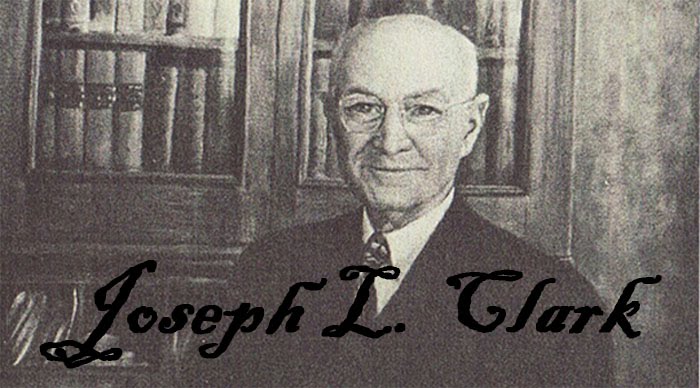
During his career as a teacher, Clark was involved in either the membership or organization of many associations such as the Texas Association of College Teachers where he served as the first President. He also functioned as a member and at one time the Vice President of the Texas State Historical Association and the Chancellor of the South West Division of the Pi Gamma Mu organization. He served as a life member of Texas State Teacher’s Association since March 1926, but it was because of his membership in the National Education Association that he believed he was able to stay informed of all educational developments.
Texas Commission on Interracial Cooperation
Probably the most influential group he was involved in was the Texas Commission on Interracial Cooperation to which he served as a co-founder and member. Just before the civil rights movement, not only Huntsville, but the South in general was a cesspool of racial strife, which allowed Clark to make a large impact on race relations in Huntsville. Clark himself viewed this accomplishment as his “most constructive achievement”and stated that he always had an interest in interracial affairs throughout his teaching career which lasted through the years of 1906 to 1951. He also viewed the organization as the “most vital agency for the solution of racial problems in Texas”. His active movement in this organization extended from 1923 to 1960 and for twenty of those years, Clark served as President. It was on February 10, 1956, however, when Clark sent a telegram to McLeod, another founder of the organization, telling him that he “sincerely request I not be considered for official position in commission. Otherwise shall consider withdrawing from organization. Strongly recommend Dr. Kilgore for Vice Presidency.” President Estill sent Clark a letter congratulating him on his achievements, stating that his involvement in the organization “is a record of outstanding service in a worthy cause. Texas has been fortunate in having you at the heart of the commission”. Clark was also among the people who chiefly opposed the Citizen’s Councils that sprang up in East Texas in the year 1955. At the beginning of 1955, Clark welcomed that his position be replaced or dropped altogether due to the fact that he was no longer attending the meetings. The reason he missed the meetings, however, was due to family illnesses and surgeries that plagued those he cared about during this time frame. The Handbook of Texas also hints, and Cassidy’s biography on Clark confirms, that Clark’s history classes offered the “first course offered in Texas on race relations”